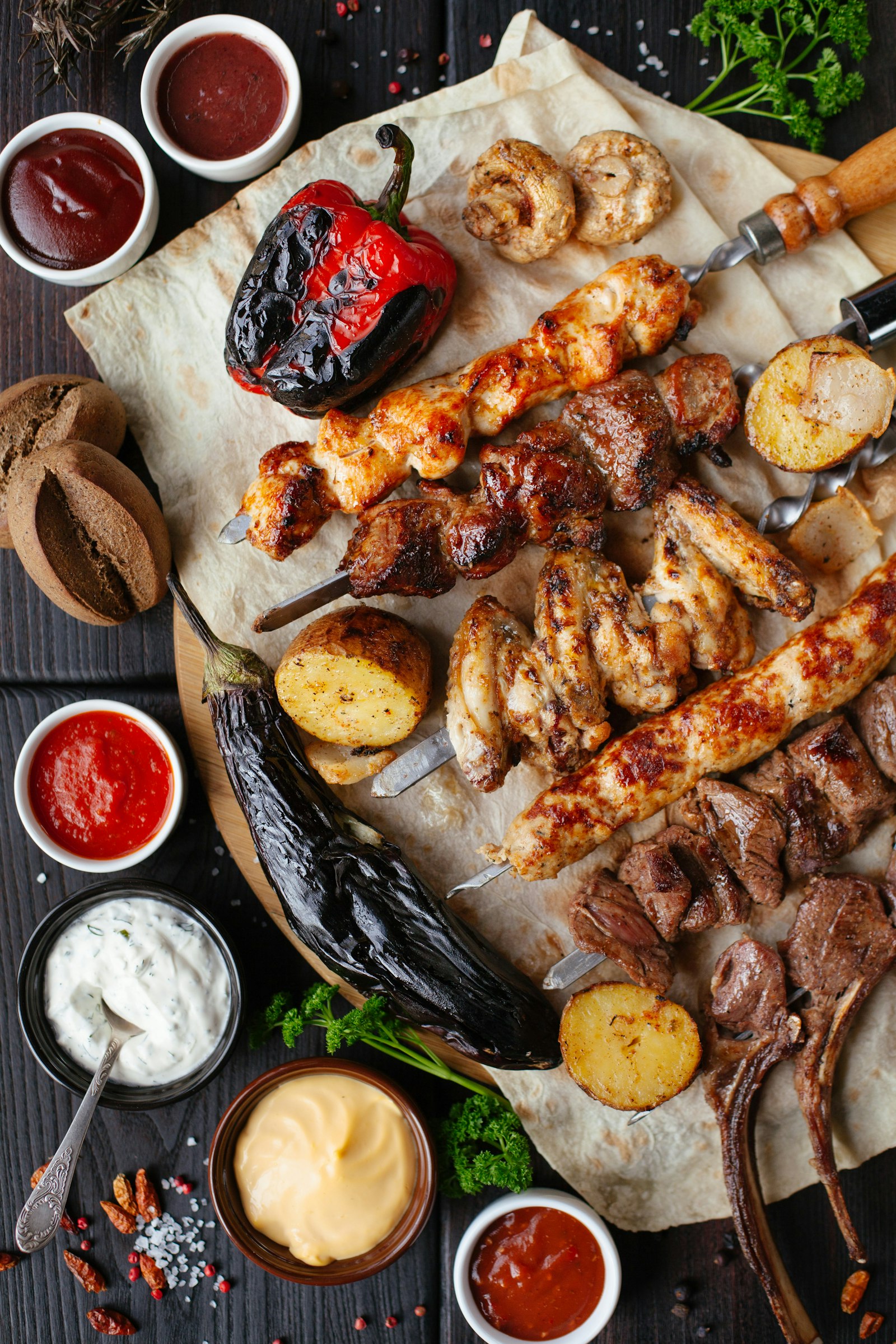
The food and beverage sector remains one of the most dynamic and profitable areas within the hospitality industry. From restaurants and cafes to hotels, lounges, and catering businesses, success in food service depends on more than just serving delicious meals. It requires strategic planning, operational efficiency, innovation, and a deep understanding of customer preferences.
For hospitality entrepreneurs and startup food businesses, mastering food and beverage management is essential for building a sustainable and competitive brand.
Understanding the Modern Food and Beverage Industry
Consumer expectations in the food industry are constantly evolving. Today’s customers are not only looking for good food — they are looking for memorable dining experiences, convenience, presentation, health-conscious options, and authenticity.
Modern diners increasingly value:
- Fresh and quality ingredients
- Unique culinary experiences
- Hygienic food preparation
- Fast and efficient service
- Visually appealing meals
- Locally inspired menus
- Health-focused and customizable options
Hospitality startups that understand these changing expectations are better positioned to attract and retain customers in an increasingly competitive market.
Emerging Culinary Trends Shaping the Industry
Staying informed about culinary trends helps food businesses remain relevant and innovative. While trends may vary across markets, several key shifts continue to influence customer behavior globally.
1. Health-Conscious Dining
Consumers are becoming more intentional about what they eat. Many customers now seek meals that are nutritious, balanced, and made with natural ingredients.
Restaurants and hospitality brands are responding by offering:
- Fresh and organic ingredients
- Low-sugar or low-carb options
- Plant-based alternatives
- Fresh juices and detox beverages
- Portion-conscious meals
Businesses do not necessarily need to become fully health-focused brands, but offering healthier options can broaden market appeal.
2. Local and Authentic Cuisine
Many guests are increasingly drawn to authentic local food experiences. Travelers and diners often want meals that reflect culture, heritage, and originality.
Hospitality entrepreneurs can leverage this by:
- Incorporating regional dishes into menus
- Using locally sourced ingredients
- Showcasing cultural food stories
- Blending traditional recipes with modern presentation
Authenticity helps brands stand out and creates stronger emotional connections with customers.
3. Social Media-Driven Dining
Food presentation now plays a major role in customer engagement. Attractive meals and aesthetically pleasing dining spaces often generate free online promotion through customer photos and videos.
Simple improvements in:
- Plating techniques
- Restaurant ambiance
- Lighting
- Packaging
- Branding
can significantly improve online visibility and customer interest.
4. Convenience and Delivery Services
The growth of food delivery platforms has changed how many customers interact with food businesses. Convenience has become a major factor in customer decision-making.
Hospitality startups should consider:
- Efficient takeaway packaging
- Reliable delivery partnerships
- Online ordering systems
- Mobile-friendly customer experiences
Businesses that adapt to changing customer habits can create additional revenue opportunities beyond dine-in services.
The Importance of Effective Kitchen Management
Behind every successful food business is a well-managed kitchen operation. Kitchen management affects food quality, customer satisfaction, operational efficiency, and profitability.
Poor kitchen organization can lead to:
- Delayed service
- Food waste
- Inconsistent meal quality
- Inventory losses
- Staff confusion
- Increased operational costs
Strong kitchen management begins with structure and discipline.
Key Areas of Kitchen Management
Staff Coordination
Clearly defined roles improve workflow and reduce confusion during busy periods. Kitchen staff should understand responsibilities related to preparation, cooking, plating, cleaning, and inventory handling.
Inventory Control
Managing inventory carefully helps reduce waste and protect profits. Hospitality businesses should regularly track:
- Ingredient usage
- Stock levels
- Expiry dates
- Supplier performance
Proper inventory management also helps maintain consistency in menu offerings.
Hygiene and Food Safety
Food safety is non-negotiable in hospitality operations. Maintaining high hygiene standards protects customers, employees, and brand reputation.
Important practices include:
- Regular kitchen cleaning
- Proper food storage
- Staff hygiene training
- Temperature monitoring
- Cross-contamination prevention
A clean kitchen builds operational confidence and customer trust.
Workflow Efficiency
An organized kitchen improves service speed and reduces stress during operations. Efficient kitchen layouts, preparation schedules, and communication systems help maintain consistency during peak service hours.
Smart Menu Development for Hospitality Businesses
A menu is more than a list of food items — it is a strategic business tool. Well-designed menus influence customer decisions, support branding, and directly impact profitability.
Keep the Menu Focused
Many startup food businesses make the mistake of offering too many items. Large menus can:
- Increase inventory costs
- Slow kitchen operations
- Create inconsistency
- Confuse customers
A focused menu allows businesses to maintain quality while building a stronger brand identity.
Balance Creativity and Profitability
Menu development should combine customer appeal with financial sustainability. Popular dishes should also generate healthy profit margins.
When developing menus, consider:
- Ingredient costs
- Preparation time
- Portion sizes
- Pricing strategy
- Customer demand
Some visually attractive or trendy meals may not be financially sustainable if preparation costs are too high.
Design Menus Around Customer Experience
Menus should be:
- Easy to read
- Visually appealing
- Organized clearly
- Aligned with brand identity
Descriptions also matter. Well-written menu descriptions can make meals more appealing and increase customer interest.
Test and Improve Regularly
Customer preferences evolve over time. Hospitality businesses should regularly evaluate:
- Best-selling items
- Customer feedback
- Seasonal trends
- Profitability reports
Removing underperforming dishes and introducing fresh options helps keep menus relevant and exciting.
Final Thoughts
Success in the food and beverage industry requires more than culinary talent alone. Sustainable growth comes from understanding customer behavior, managing kitchen operations effectively, and developing menus strategically.
For hospitality entrepreneurs and startup brands, combining operational discipline with creativity can create powerful customer experiences and long-term profitability.
As the hospitality industry continues to evolve, businesses that embrace innovation, maintain quality standards, and stay connected to customer needs will remain competitive in an ever-changing market.